Garba Dance
Discover the vibrant traditions, rhythmic celebrations, and timeless cultural heritage of Gujarat through its famous folk dances.
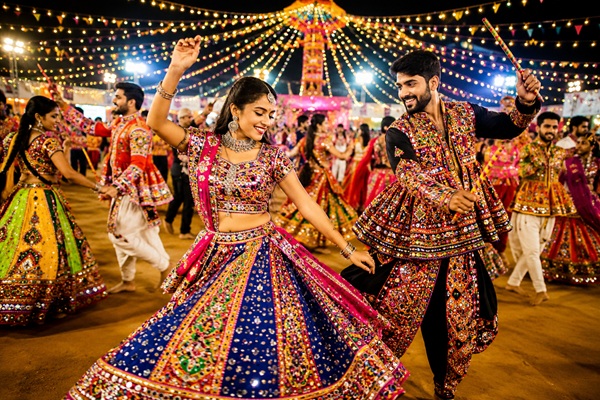
Gujarat is also called the "Land of Festivals" due to the massive celebrations that take place throughout the year. Regardless of the season, Gujarat always has reasons to celebrate. These festivals provide opportunities for people to participate in traditional Gujarati folk dances. Celebrating auspicious occasions is deeply rooted in the culture of Gujarat, and its history of festivities dates back thousands of years.
The state's rich cultural heritage is reflected in the various folk dances that were performed during the reign of kings and maharajas. This is the land where Lord Krishna enchanted people with his flute, giving rise to the legendary Raas Leela. The traditions of Raas Leela and other folk dances have been carefully preserved by Gujaratis for generations.
Famous Folk Dances of Gujarat State
1. Dandiya Raas: Gujarat's Most Celebrated Dance of Joy and Unity
Dandiya Raas is a colorful dance form deeply rooted in the era of Lord Krishna. It reminds us of the times when Lord Krishna played his flute for his beloved Gopis. Men and women form circles and dance in synchronized patterns, moving clockwise and anticlockwise while holding beautifully decorated bamboo sticks known as Dandiyas.
Participants strike their sticks rhythmically while maintaining eye contact with their dance partners. The atmosphere becomes increasingly festive and romantic as the celebration progresses, making Dandiya one of Gujarat's most beloved dance forms.
2. Gujarati Garba Dance: The Pride of Gujarat's Cultural Splendor
Garba is one of the most famous dance forms of Gujarat and is traditionally performed in honor of Goddess Ambaji. Women dance in circles around the idol or symbolic representation of the Goddess while singing devotional songs and clapping rhythmically.
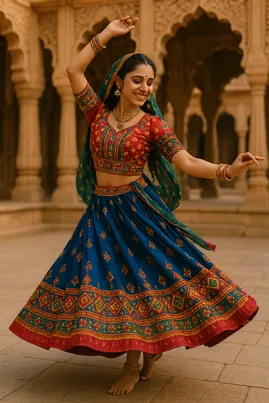
Over time, Garba has evolved to include both men and women. The colorful costumes are one of the biggest attractions, with women wearing beautifully embroidered Cholis and Ghaghras, while men showcase traditional Kediyu outfits and turbans.
3. Tippani Folk Dance: The Rhythmic Vibrance of Gujarat's Rural Traditions
Tippani folk dance originated in the Sorath region of Gujarat and is particularly popular among the Kharva and Koli communities. Many members of these communities are fishermen and sailors who use dance and music as a way to relax and celebrate after a long day of work.
The dance reflects the cultural richness and authenticity of rural Gujarat. It highlights traditional values, local lifestyles, and the artistic expressions of communities that have preserved their heritage for generations.
Rhythmic Joy
Gujarat's folk dances are a vibrant testament to the state's rich cultural heritage and artistic expression.
The Magic of Gujarati Folk Dances
The captivating nature of dances like Garba and Dandiya Raas showcases not only the celebratory spirit of the people but also their deep connection to tradition, unity, and devotion. These dances, with their intricate footwork, lively music, and colorful attire, transport participants and spectators into a world of joy and cultural pride.
Gujarat attracts thousands of tourists from around the world who come to witness these incredible dance traditions. Other popular folk dances include Bhavai, Vincchudo, Hudo, Dangi Nritya (Kahalya), Garbi, and Raas Dance. Each dance tells its own story and reflects the emotions, traditions, and values of Gujarati culture.
Why Garba Remains Popular Today
Garba continues to grow in popularity because it combines fitness, culture, devotion, and social interaction. It welcomes participants of all ages and backgrounds, creating an inclusive environment where everyone can celebrate together.
During Navratri, Garba events bring communities together through music, dance, and cultural expression. The energy, colorful costumes, and rhythmic movements create unforgettable experiences that continue to attract millions of participants worldwide.
Embrace the Rhythmic Joy
Join the celebration of Gujarat's rich cultural traditions and experience the beauty of Garba and other folk dances.
Learn Authentic Garba Dance in Chennai – Celebrate the Spirit of Navratri
Garba is one of India's most vibrant and energetic folk dance forms, originating from the culturally rich state of Gujarat. Deeply rooted in tradition and devotion, Garba is performed during the nine nights of Navratri to honor Goddess Durga and celebrate the victory of good over evil. With its rhythmic claps, graceful circular formations, colorful costumes, and lively music, Garba has become a symbol of joy, unity, and cultural pride.
Over the years, Garba has gained immense popularity across India and around the world. Today, people from different backgrounds participate in Garba celebrations, making it one of the most inclusive and widely loved folk dances. Whether performed in traditional village settings, grand Navratri festivals, cultural events, college celebrations, weddings, or stage performances, Garba continues to captivate audiences with its vibrant energy and timeless appeal.
The History and Cultural Significance of Garba
The word "Garba" comes from the Sanskrit word "Garbha," meaning womb or life. Traditionally, dancers perform around an earthen lamp known as the Garbo, which symbolizes life, creation, and divine feminine energy. The circular movements of Garba dancers represent the cycle of life, birth, death, and rebirth, reflecting the spiritual beliefs associated with the dance.
Historically, Garba was performed primarily by women as an act of devotion to Goddess Amba or Durga. Over time, men also began participating, transforming Garba into a grand community celebration enjoyed by people of all ages. Today, Garba serves as a bridge between tradition and modernity, preserving Gujarat's rich cultural heritage while adapting to contemporary dance styles and performances.
Why Garba Dance is So Popular
One of the reasons Garba remains so popular is its accessibility. Unlike many dance forms that require years of formal training, Garba can be learned by beginners within a relatively short period. The dance welcomes participants of all ages and fitness levels, creating an environment of inclusivity and celebration.
Garba is also an excellent way to stay physically active. The continuous footwork, spinning movements, rhythmic clapping, and coordinated formations provide a full-body workout while keeping participants engaged and entertained. As a result, Garba is often recommended as a fun and effective way to improve fitness while learning about Indian culture.
Benefits of Learning Garba Dance
Learning Garba offers numerous physical, mental, and social benefits. The dance improves cardiovascular health, flexibility, stamina, coordination, and balance. The repetitive yet energetic movements help strengthen muscles and improve endurance.
Garba also promotes mental well-being by reducing stress and boosting confidence. Dancing in groups encourages social interaction and teamwork, helping participants build friendships and develop a strong sense of community. For children and teenagers, Garba can improve concentration, discipline, and self-expression, while adults benefit from increased fitness and stress relief.
- Improves stamina and cardiovascular fitness
- Enhances flexibility and coordination
- Builds confidence and stage presence
- Encourages teamwork and social interaction
- Reduces stress and promotes mental wellness
- Helps preserve cultural traditions
- Suitable for children, teens, and adults
- Provides an enjoyable full-body workout
Traditional Garba Attire
Garba celebrations are known for their colorful traditional costumes. Women typically wear Chaniya Cholis decorated with mirror work, embroidery, and vibrant patterns, while men wear Kediyu outfits paired with dhotis and turbans. The attire adds beauty, elegance, and authenticity to every performance and contributes significantly to the festive atmosphere of Navratri celebrations.
The dazzling costumes, traditional jewelry, and energetic music make Garba one of the most visually stunning dance forms in India. Every movement becomes more captivating when performed in traditional attire, creating an unforgettable cultural experience.
Garba Dance Classes in Chennai
As Garba continues to gain popularity across South India, many dance enthusiasts in Chennai are looking for opportunities to learn authentic Garba techniques. Whether you are preparing for Navratri celebrations, cultural events, college competitions, wedding performances, or simply want to learn a new dance style, professional Garba training can help you develop the necessary skills and confidence.
At Dance and Dance Academy Chennai, students have the opportunity to learn Garba in a structured and supportive environment. Classes focus on traditional Garba movements, rhythm, coordination, choreography, stage performance techniques, and group formations. Both beginners and experienced dancers can benefit from professional guidance and personalized instruction.
Join the Celebration of Culture and Dance
Garba is more than just a dance form; it is a celebration of culture, tradition, devotion, and togetherness. Every step, clap, and movement reflects centuries of heritage and community spirit. Learning Garba allows participants to connect with India's rich cultural traditions while enjoying the physical and emotional benefits of dance.
Whether you are a complete beginner or an experienced performer, Garba offers an exciting journey filled with music, movement, friendship, and celebration. Discover the joy of Garba and become part of a tradition that continues to inspire millions of people around the world.
Contact Information
Dance and Dance Academy Chennai
Email: danceanddancestudio@gmail.com
Phone: 9840311014
Website: www.danceanddance.com/studio
For class schedules, workshop information, Navratri special batches, and enrollment details, contact Dance and Dance Academy Chennai today and begin your Garba dance journey with experienced instructors and a welcoming dance community.
Category
- Multi-Use Studio Rental
- Yoga & Pilates Studio Rental
- Martial Arts Studio Rental
- Music Classes Studio Rental
- Acting Workshop Studio Rental
- Corporate Training Hall Rental
- Audition & Casting Studio Rental
- Photography & Video Shoot Studio Rental
- Meeting & Seminar Hall Rental
- Tuition & Coaching Classroom Rental
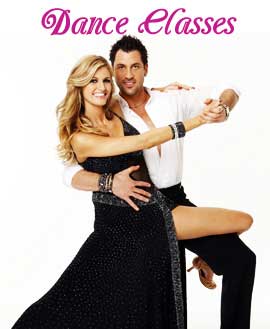
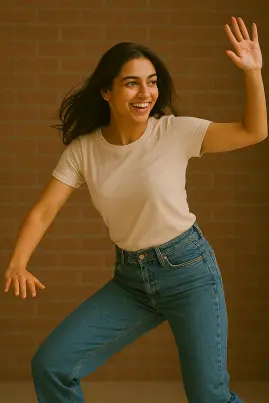
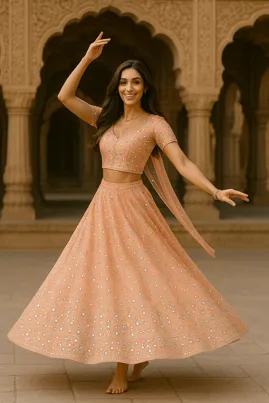


Tap Your Feet And Spark The Change! By joining in Dance and Dance Studio Chennai.
714, Pathari Road, G.R Plaza , Anna Salai, Chennai-600006.